
United Nations SDGs: Evaluating Kulea Villages’ Sustainability for Families to Exit Poverty for the Long-term


Kulea Villages is a nonprofit organization operating in Kenya and Tanzania that addresses 65% of the UN's 17 Sustainable Development Goals through family-centered programs in infant nutrition, child education, and economic empowerment. By pairing direct crisis relief with small business development, the organization helps East African families move from poverty to long-term self-sufficiency.
United Nations 17 SDGs (Sustainable Development Goals)
As a long-term donor to Kulea Villages, I wanted to assess their work against the United Nations Sustainable Development Goals. They use the term "sustainable" with such strong belief that we wanted to test impact areas aligned with the United Nations 17 Sustainable Development Goals (SDGs). Kulea Villages' outcomes did impact 65% of these goals, which was significant both globally and for the individual families served.
The 17 SDG goals include the following list with primary tracking methods:
1. No Poverty: this includes poverty and social protection;
2. Zero Hunger: 1 in 12 faced hunger in 2025;
3. Good Health & Well Being: maternal (birth mother) and infant (0-5) deaths;
4. Quality Education: children (6-17) in school vs. not in school;
5. Gender Equality: women holding leadership roles globally;
6. Clean Water & Sanitation: drinking water, sanitation, and hygiene;
7. Affordable & Clean Energy: access to electricity;
8. Decent Work & Economic Growth: reduced child labor and fair wages;
9. Industry, Innovation & Infrastructure: 5G internet access;
10. Reduced Inequalities: discrimination with and without disabilities;
11. Sustainable Cities & Communities: Housing with basic services;
12. Responsible Consumption & Production: food production losses and consumer waste;
13. Climate Action: temperature rise, due to Green House Gas (GHG) emissions;
14. Life Below Water: loss of coral reefs and sea water temperature rise;
15. Life on Land: animal extinction and protection of land;
16. Peace, Justice & Strong Institutions: death toll of global conflicts;
17. Partnerships For The Goals: debt burden in low-mid income countries
Sustainability in Action at Kulea Villages
The role of a growing non-profit such as Kulea Villages can feel small some days, with the aim of building strong families one at a time. The highlighted goals show impact categories, with further sharing specific actions and impacts. They have pushed to grow this impact year over year, serving more families through resource tracking and an excellent team of social workers and program managers.
1. No Poverty
Kulea Villages helps families to exit poverty by becoming self-supporting and valuing education for the whole family.
This goal is achieved by making the development of a small family business a core element for receiving support for infants or children.
2. Zero Hunger
Most families who enter these programs cannot afford to provide 3 nutritious meals a day. Many do not understand what foods are nutritious.
No program succeeds with empty stomachs. So, they (Kulea Villages) ensures 3 meals a day and educate caregivers on nutrition until they are financially ready to take over.
3. Good Health & Well-Being
The impact is strong infant development through proper care and nutrition in the first year of life. In program areas for children, the majority of deaths occur in this first year.
To receive infant formula each week, caregivers attend classes covering nutrition, baby care, child development, hygiene, health management, first aid, and disease prevention.
Success comes with caregivers sharing these lessons within their communities, and they love to share!
4. Quality Education
In both Tanzania and Kenya, education is government-sponsored, but it doesn't cover all school or home expenses.
The need to supply uniforms, books, supplies, food, transport, or boarding expenses for older children keeps many children out of school and exploited.
School sponsorships cover these expenses; your help brings more into this program!
At the same time, caregivers are trained in entrepreneurial skills and mentoring to help them start a small business in their community.

A show of confidence after school
5. Gender Equality
School sponsorship is not based on gender or disability, but we monitor progress with positive reinforcement and tutoring when needed.
Young women do not leave school because of the onset of menstrual cycles, as Kulea Villages provides reusable kits donated annually.
6. Clean Water & Sanitation
For sanitation and hygiene, these topics are covered in education sessions and reinforced with social service home visits and infection tracking.
7. Affordable & Clean Energy: outside Kulea Villages' scope.
8. Decent Work & Economic Growth
In East Africa, family is culturally very important. Many children in Kulea Villages programs have lost one or both parents and are being raised as part of an extended family often in extreme poverty.
In most of these families, women are the primary caregivers and struggle with supporting housing and food necessities.
Programs take many steps: first removing crisis needs, then building hope, supporting education, and ultimately empowering a family.
The goal is to empower a caregiver to start a business of their own, earn enough to provide 3 meals a day, and take pride in supporting children through secondary school.
They stay in touch with families to provide encouragement, learn how to improve programs, and lend a helping hand, if needed, with higher levels of education.
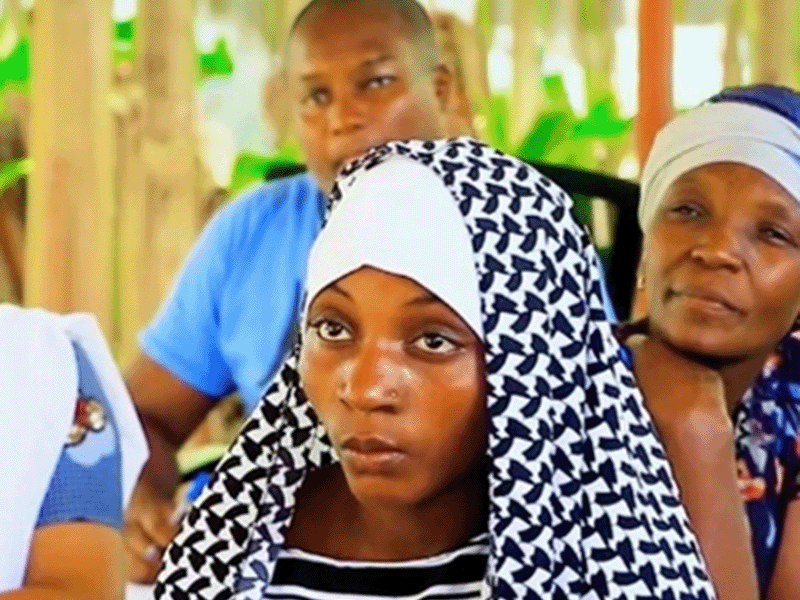
First Business Training, a Business Plan...
9. Industry, Innovation & Infrastructure: outside of Kulea Villages' scope.
10. Reduced Inequalities
The belief that children belong in a family is strong; keeping children in school helps remove inequalities.
Providing social service support also helps when discrimination based on gender, skin color (in the case of albinism), or social status is encountered.
11. Sustainable Cities & Communities
Having a roof over the family is important. A bed frame, mattress, sheets, and a mosquito net go a long way toward building hope and preventing illness. These are very basic items we take for granted too often. But here they ensure each family member in the program has, as part of initial crisis support.
Most referrals for infant nutrition or school support services come from social workers and headmasters in target communities, ensuring support reaches those most in need. Initial home visits target immediate needs in the home (stable and safe housing, hygiene, food security, beds, nets, and sanitation).
12. Responsible Consumption & Production
Food is purchased in bulk but distributed in smaller quantities to ensure regular use without waste. This also ensures food is used for its target family.
Funds for families to purchase fresh vegetables near their home, when the budget allows, and always for anemic or HIV positive caregivers.
13. Climate Action: temperature rise from GHG emissions: outside of scope.
14. Life Below Water: loss of coral reefs and seawater temperature: out of scope.
15. Life on Land: animal extinction and protection of land:
Kulea Villages even bring visitors on Mission trips on a safari to gain an appreciation for animals and extinction issues within Africa, while seeing its beauty.
16. Peace, Justice & Strong Institutions: death toll of global conflicts: outside scope.
17. Partnerships For The Goals
Partnerships are local and global. Most funding for the work comes from outside Africa. But local families often give time when they can, and have become a strong source of community educators.
They have established partnerships with other non-governmental organizations (NGOs) and have conducted joint training sessions with them on living with HIV, small business training, and more.
In local communities, they have found strong support for growing family businesses. Many caregivers have actively shared information on nutrition, first aid, and hygiene with other mothers.
Special thanks to the staff of Kulea Villages, who answered my many questions. There is no question that my money is supporting a great cause.
Debra Breed is a longtime supporter, sponsor, and volunteer with Kulea Childcare Villages. Together with her husband, Peter, she has supported Kulea’s work for many years. Debra also brings extensive experience in marketing, strategic planning, and communications and has generously shared that expertise through work on Kulea’s website, social media, and broader communications strategy, helping us tell our story and connect more effectively with the people who make our work possible.
Kulea Villages is a U.S.-registered 501(c)(3) nonprofit organization in partnership with Kulea Villages entities in Tanzania and Kenya. Rather than dramatic rescues, their child protection model focuses on stabilizing families through a process that typically lasts 1-2 years, prioritizing education, nutrition, and family income generation. Join our email list for new blog alerts. We appreciate your support.


Comments